import pandas as pd
import requests
import pickle
import os.path
import json
import time
from tqdm import tqdm
import numpy as np

import seaborn as sns
from pathlib import Path
# import plotly.express as px

adds_df_path = Path("adds_df.parquet")
if not adds_df_path.exists():
    # Pulled a list of addresses for my community from county tax website
    cols_of_interest = [
        "prop_id",
        "hood_cd",
        "market",
        "school",
        "city",
        "county",
        "legal_desc",
        "tract_or_lot",
        "abs_subdv_cd",
        "situs_num",
        "situs_street",
        "situs_street_sufix",
        "situs_city",
        "situs_state",
        "situs_zip",
        "addr_line1",
        "addr_line2",
        "addr_line3",
        "addr_city",
        "addr_state",
        "zip",
    ]

    adds_df = pd.read_excel("address_list.xlsx")
    adds_df = adds_df[cols_of_interest]

    # Clean up all of the columns that contain property address data
    # ['situs_num', 'situs_street', 'situs_street_sufix', 'situs_city', 'situs_state', 'situs_zip']

    adds_df["situs_num"] = adds_df["situs_num"].fillna(0)
    adds_df["situs_street"] = adds_df["situs_street"].fillna("")
    adds_df["situs_street_sufix"] = adds_df["situs_street_sufix"].fillna("")
    adds_df["situs_city"] = adds_df["situs_city"].fillna("Pearland")
    adds_df["situs_state"] = adds_df["situs_state"].fillna("TX")
    adds_df["situs_zip"] = adds_df["situs_zip"].fillna("77584")

    adds_df["situs_num"] = adds_df["situs_num"].apply(lambda x: str(int(x)))
    adds_df["situs_street"] = adds_df["situs_street"].apply(lambda x: str(x).strip())
    adds_df["situs_street_sufix"] = adds_df["situs_street_sufix"].apply(
        lambda x: str(x).strip()
    )
    adds_df["situs_city"] = adds_df["situs_city"].apply(lambda x: str(x).strip())
    adds_df["situs_state"] = adds_df["situs_state"].apply(lambda x: str(x).strip())
    adds_df["situs_zip"] = adds_df["situs_zip"].apply(lambda x: str(int(x)))

    # Create new columns to construct full address which will be used in Bing Maps searches
    adds_df.insert(0, "house_address_partial", "", allow_duplicates=False)
    adds_df.insert(0, "house_address", "", allow_duplicates=False)

    # populate new columns for creating full address
    adds_df["house_address_partial"] = (
        adds_df["situs_num"]
        + " "
        + adds_df["situs_street"]
        + " "
        + adds_df["situs_street_sufix"]
    )
    adds_df["house_address"] = (
        adds_df["house_address_partial"]
        + ", "
        + adds_df["situs_city"]
        + ", "
        + adds_df["situs_state"]
        + " "
        + adds_df["situs_zip"]
    )

    adds_df["prop_id"] = adds_df["prop_id"].apply(lambda x: int(x))
    adds_df = adds_df.set_index("prop_id")

    # testPropid = adds_df.index[0]
    # testAddress = adds_df["house_address"].iloc[0]
    # print([testPropid, testAddress])

    with open("secrets.pickle", "rb") as f:
        secrets = pickle.load(f)

    # Route payloads contains details for 4 different navigational routes:
    # 1) morning Northbound (AM-N) and 2) its afternoon counterpart (PM-N)
    # 3) morning Southbound (AM-S) and 4) its afternoon counterpart (PM-S)
    # I had to make afternoon times as arrival or else api didn't successfully respond
    route_payloads = {
        "AM-N": {
            "wp.1": "29.595583, -95.386315",
            "dateTime": "11/08/2023 08:00:00",
            "timeType": "Departure",
        },
        "PM-N": {
            "wp.0": "29.594770, -95.386830",
            "dateTime": "11/08/2023 17:30:00",
            "timeType": "Arrival",
        },
        "AM-S": {
            "wp.1": "29.549921, -95.387785",
            "dateTime": "11/08/2023 08:00:00",
            "timeType": "Departure",
        },
        "PM-S": {
            "wp.0": "29.543948, -95.387128",
            "dateTime": "11/08/2023 17:30:00",
            "timeType": "Arrival",
        },
    }

    def bing_maps_query(house_address, route_payload):
        my_api_key = secrets["api_key"]
        bing_map_url = r"http://dev.virtualearth.net/REST/V1/Routes/Driving"
        payload = {
            "avoid": "tolls",
            "key": my_api_key,
            "distanceUnit": "mi",
            "travelMode": "Driving",
            "optimize": "timeWithTraffic",
        }
        payload = payload | route_payload

        if "wp.0" in payload.keys():
            payload["wp.1"] = house_address
        else:
            payload["wp.0"] = house_address

        r = requests.get(
            "http://dev.virtualearth.net/REST/V1/Routes/Driving", params=payload
        )
        return r

    def format_response_filepath(propid, descriptor):
        subfolder = "query_responses"
        response_filename = str(propid) + "|" + descriptor + ".pickle"
        response_path = Path(__file__).parent / subfolder / response_filename
        return response_path

    # get routes for all addresses
    propid_subset = list(adds_df.index)

    # add columns for route drive distances and times
    new_col_initialVals = {
        "travelDistance": 0.0,
        "distanceUnit": "",
        "travelDuration": 0,
        "travelDurationTraffic": 0,
        "durationUnit": "",
    }
    new_columns = {
        "|".join([route, col]): new_col_initialVals[col]
        for col in new_col_initialVals
        for route in route_payloads
    }
    for col in new_columns:
        adds_df.insert(1, col, new_columns[col], allow_duplicates=False)

    # add columns for address latitude/longitude
    adds_df.insert(1, "lon", 0.0, allow_duplicates=False)
    adds_df.insert(1, "lat", 0.0, allow_duplicates=False)

    # loop through property ID / addresses.
    # Check if we've already saved the route info, otherwise query maps API and save the response
    for propid in tqdm(propid_subset):
        prop_address = adds_df.loc[propid]["house_address"]
        for route in route_payloads:
            prop_route_filepath = format_response_filepath(propid, route)
            if prop_route_filepath.exists():
                with open(prop_route_filepath, "rb") as f:
                    r = pickle.load(f)
            else:
                r = bing_maps_query(prop_address, route_payloads[route])
                with open(prop_route_filepath, "wb") as f:
                    pickle.dump(r, f)
            # Extract some data from good responses
            if r.json()["statusCode"] == 200:
                route_data = r.json()["resourceSets"][0]["resources"][0]
                result_keys = {
                    "travelDistance": float,
                    "distanceUnit": str,
                    "travelDuration": int,
                    "travelDurationTraffic": int,
                    "durationUnit": str,
                }
                # get results of interest, cast into proper data types, insert into df
                results = {
                    key: result_keys[key](route_data[key]) for key in result_keys
                }
                new_columns = ["|".join([route, key]) for key in result_keys]
                adds_df.loc[propid, new_columns] = [results[key] for key in results]
                # get latitude/longitude
                if route.startswith("AM"):
                    adds_df.loc[propid, ["lat", "lon"]] = route_data["routeLegs"][0][
                        "startLocation"
                    ]["point"]["coordinates"]

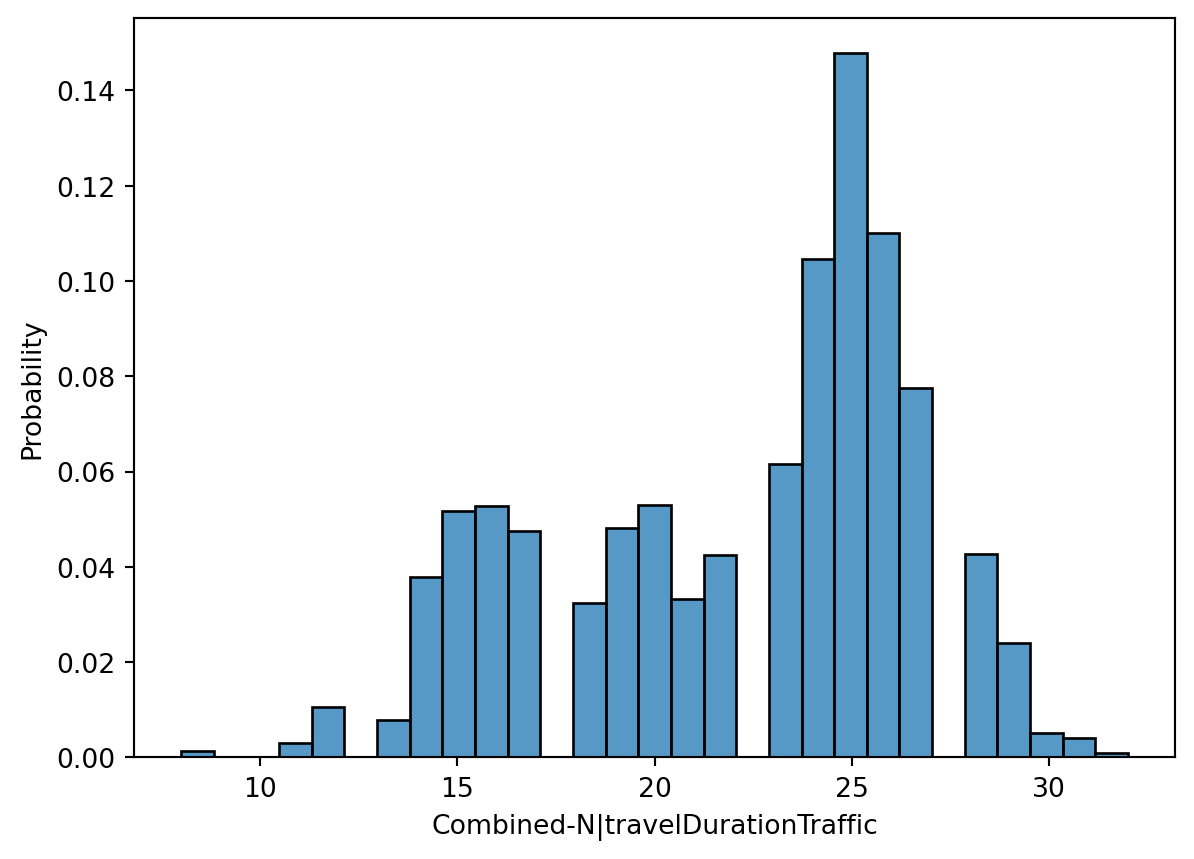
    adds_df["Combined-N|travelDurationTraffic"] = np.round(
        (adds_df["AM-N|travelDurationTraffic"] + adds_df["PM-N|travelDurationTraffic"])
        / 60
    )
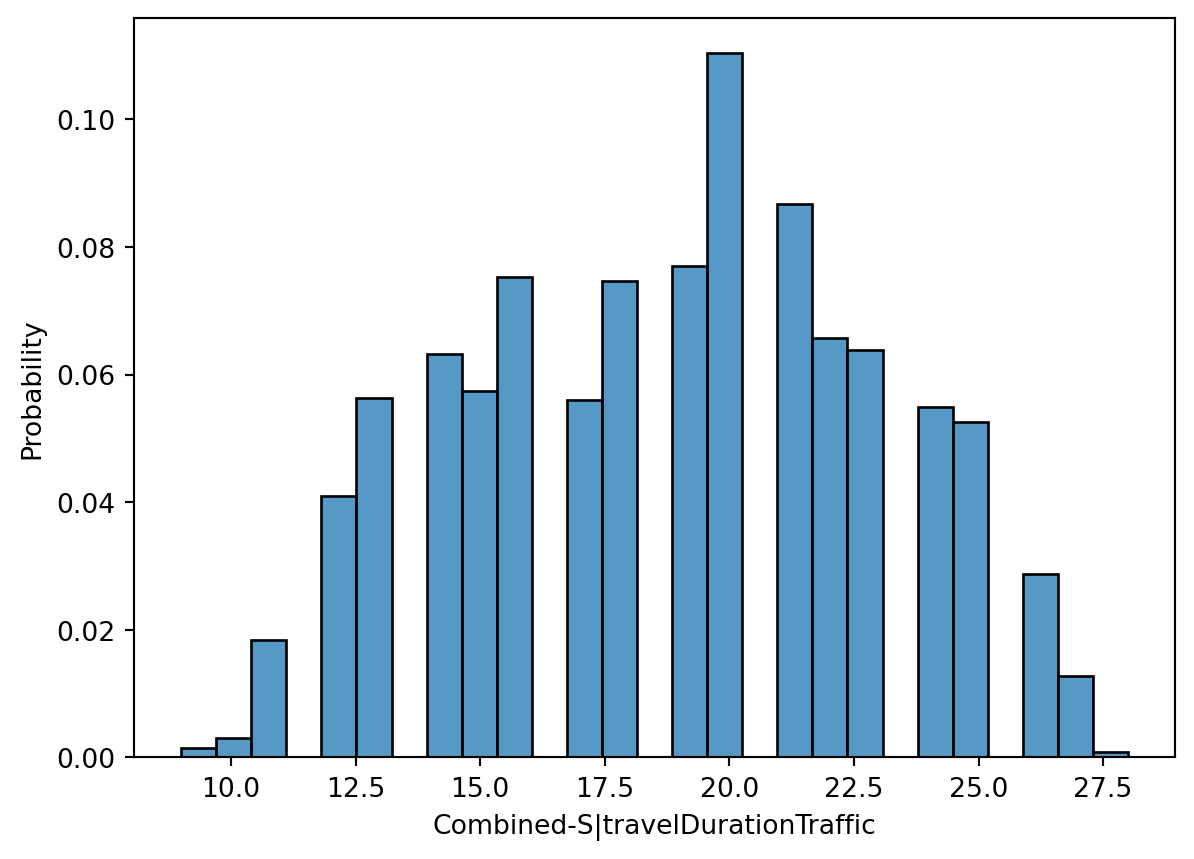
    adds_df["Combined-S|travelDurationTraffic"] = np.round(
        (adds_df["AM-S|travelDurationTraffic"] + adds_df["PM-S|travelDurationTraffic"])
        / 60
    )
    adds_df = adds_df.astype({"tract_or_lot": str})
    adds_df.to_parquet(adds_df_path)
else:
    adds_df = pd.read_parquet(adds_df_path)